Little Eyes
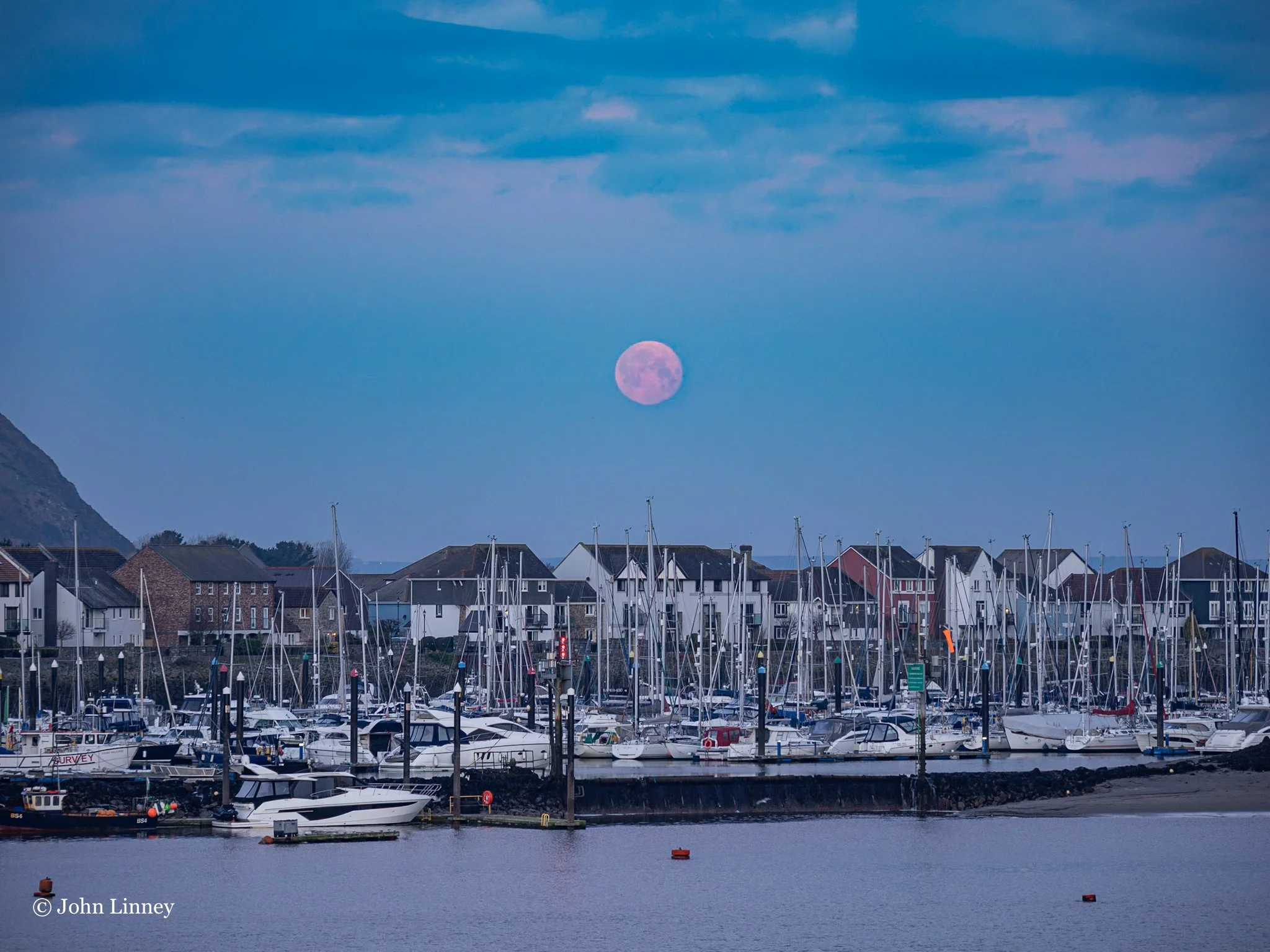
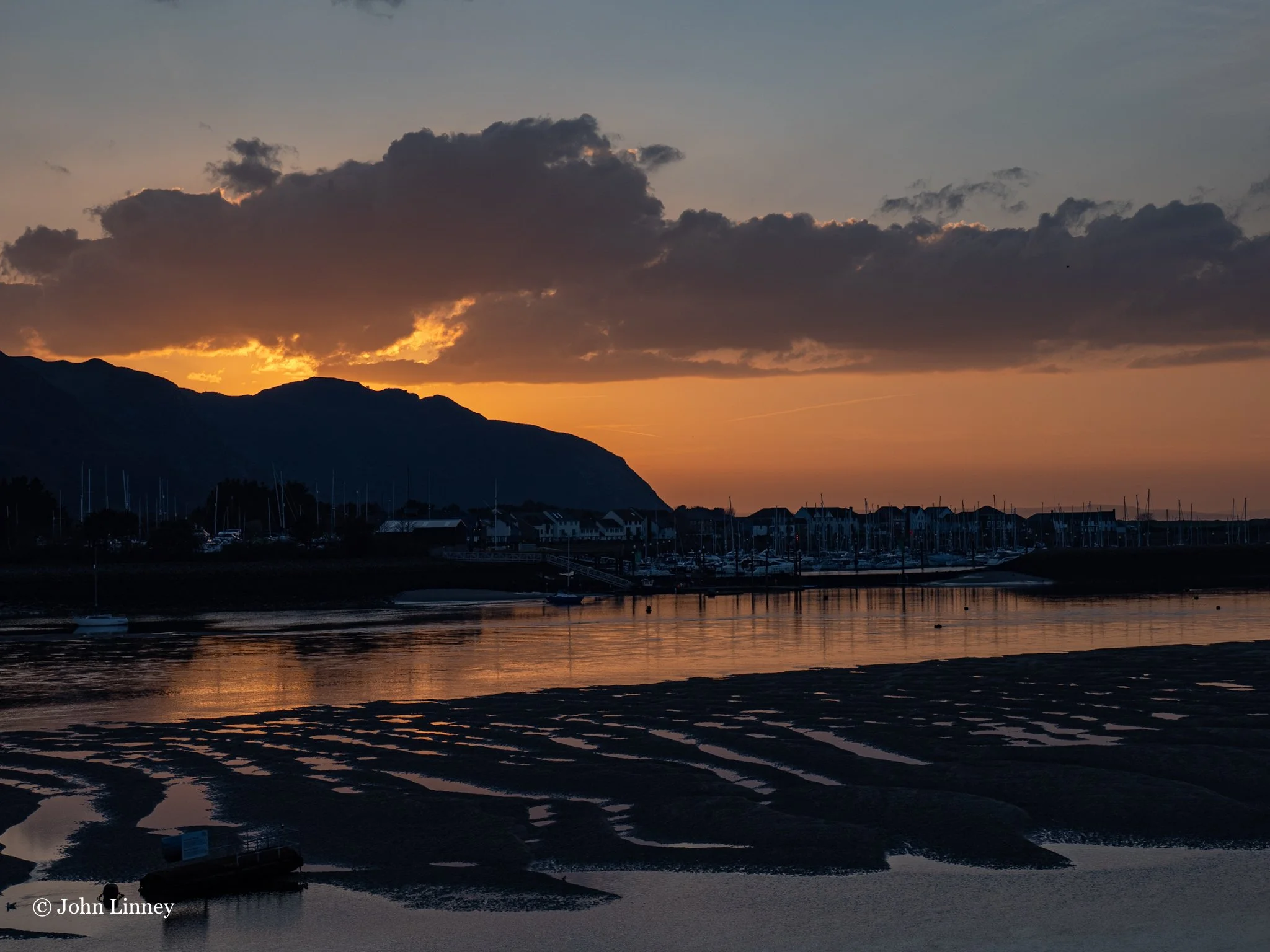
Conwy Estuary - OM System OM=1
Sensors in modern digital cameras seem to be getting bigger these days. The size of sensors we are told, matters more so. Medium format and full frame we are told, the prerequisite for producing professional content and anything smaller is just not worth considering. There is however, a place for the smaller APSC and MFT sensors if you dare try. I am a relatively new adoptee of micro four thirds cameras and lenses and I feel a necessity to have to justify why i’m using them.
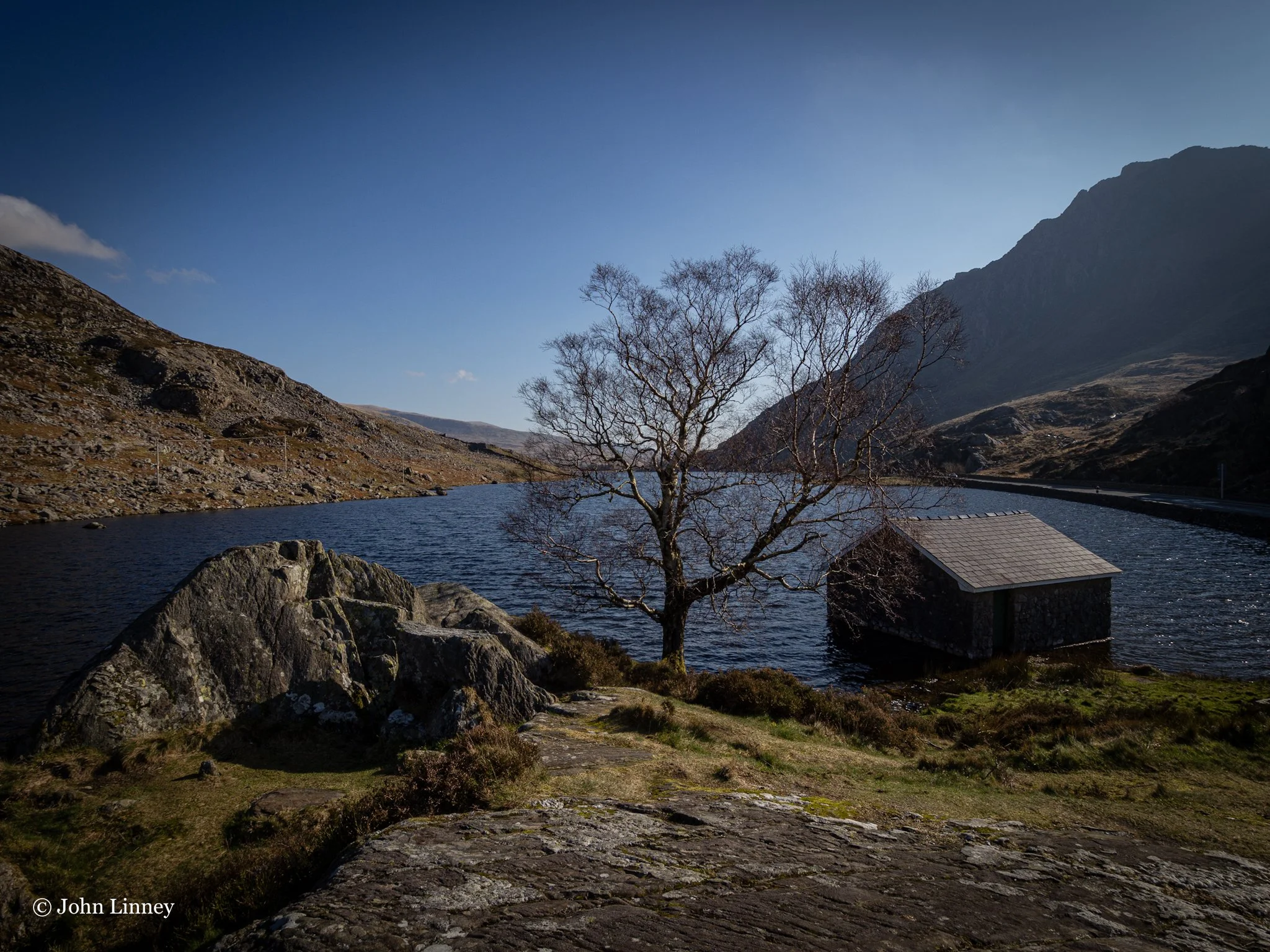
Llyn Ogwen - OM System OM-1
I know there are compromises with using MFT cameras and lenses and yes there are also pitfalls using this sensor size but the technology has improved to a degree where the differences aren’t as great as they once were. For instance, I have just returned from a few days in North Wales using an OM System OM-1 and a Panasonic G9. I discovered that the OM-1 can be used in many situations at a very low ISO (ISO 80) and be handheld for up to 2 seconds without struggling. The G9 is older technology but it was years ahead of the available tech back in 2017 so copes well with poor light and noise levels. The positive trade off for using smaller sensors is for me, primarily the weight difference. The lenses are much smaller than full frame and the bodies slightly smaller. The computational tricks the OM-1 has up its sleeve far out perform many flagship full frame mirrorless counterparts. These aren’t gimmicks but put in to enable the photographer to use their camera with the reassurance that they aren’t missing out on something.
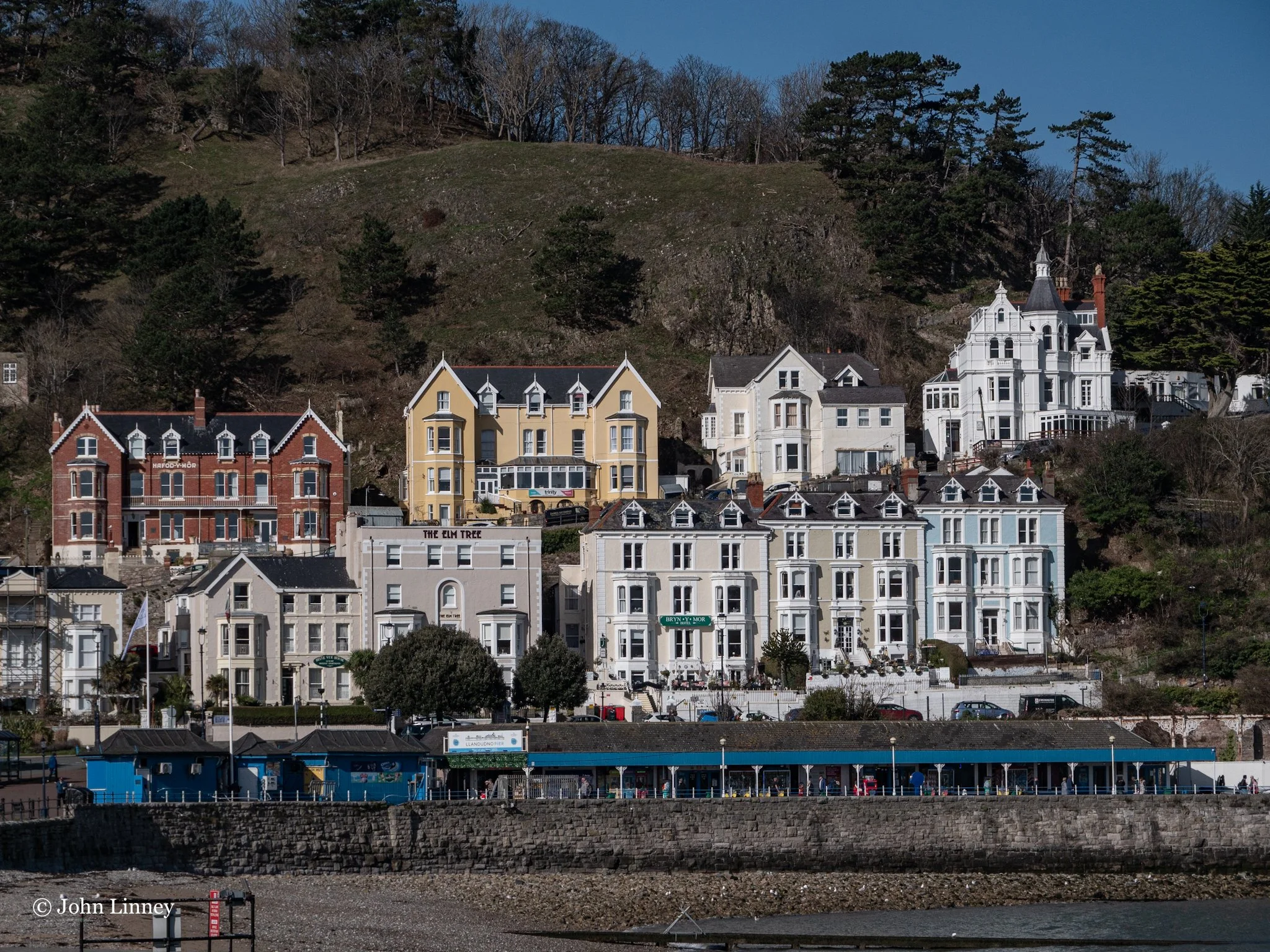
Llandudno - Panasonic G9
I didn’t feel disadvantaged in the environments I was taking photos. It was good to have a flagship camera and long standard zoom plus two other lenses in a small sling bag and not worry that the weight gain would lead to image quality loss. The main lesson I learned from using these small sensor cameras is that you can enjoy taking photos and not feel it’s a chore because you’re carrying heavy gear around. It’s actually quite liberating as your walk is less arduous and you can concentrate on the shot rather than the effort of getting there.
I still own and use a Canon 6D plus a few lenses but that is the smallest full frame DSLR that Canon made; so weight wasn’t an issue, until you attached a standard zoom or telephoto zoom.
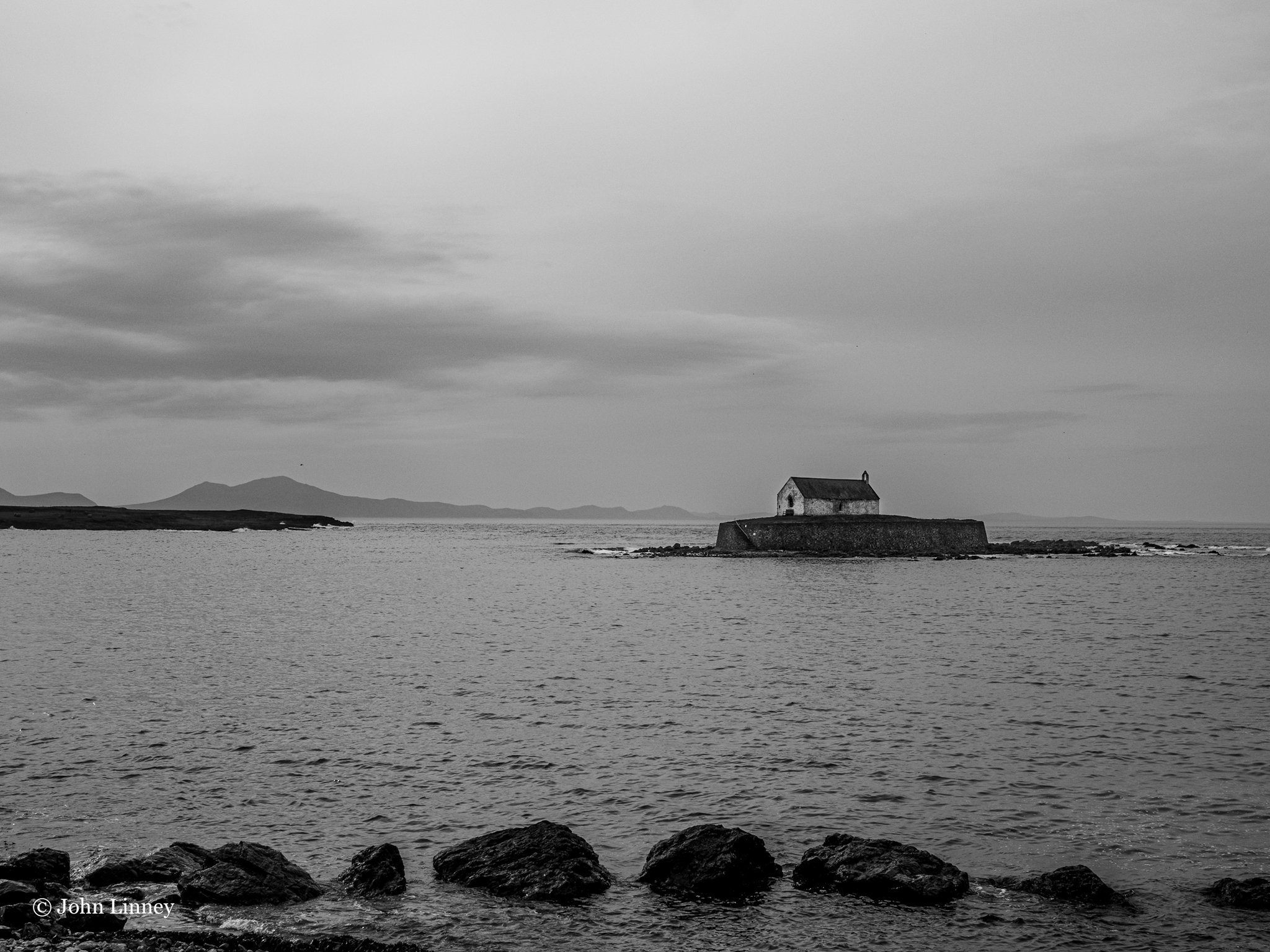
Eglwys Cwfyan - OM System OM-1
For me, a camera is like an eye. The camera sees what you see and attempts to capture what you want it to. Sometimes, you don’t have to look through a really big eye to get what you want. Depth of field isn’t all what it’s cracked up to be. Blurry backgrounds are good with portrait work but realistically, landscape, street, product, macro photography don’t improve by blurring the background out. Sometimes all you want is for your subject or composition to be in focus. For landscapes, using MFT cameras and lenses can be an advantage as it’s easy to get everything in focus from foreground through to background in one shot. Focus stacking becomes less of an issue even though my OM-1 and G9 can both handle it. Dynamic range is also great given that I can shoot at really low ISO levels on the OM-1, so low light isn’t a problem. You do have to adjust the parameters in which you shoot such as aperture, but using full frame, I rarely shot over f/11 anyway.
The little eyes I now see through, enable me to walk a bit more, see as clearly and concentrate on capturing moments (which if you’ve ever read any of these blogs, is that its all about). I do like my Canon 6D but my daily workhorses are more ponies than shire horses.
Ishimoto Blog:
Integer posuere erat a ante venenatis dapibus posuere velit aliquet. Fusce dapibus, tellus ac cursus commodo, tortor mauris condimentum nibh, ut fermentum massa justo sit amet risus.


Quisque iaculis facilisis lacinia. Mauris euismod pellentesque tellus sit amet mollis.