All In The Detail
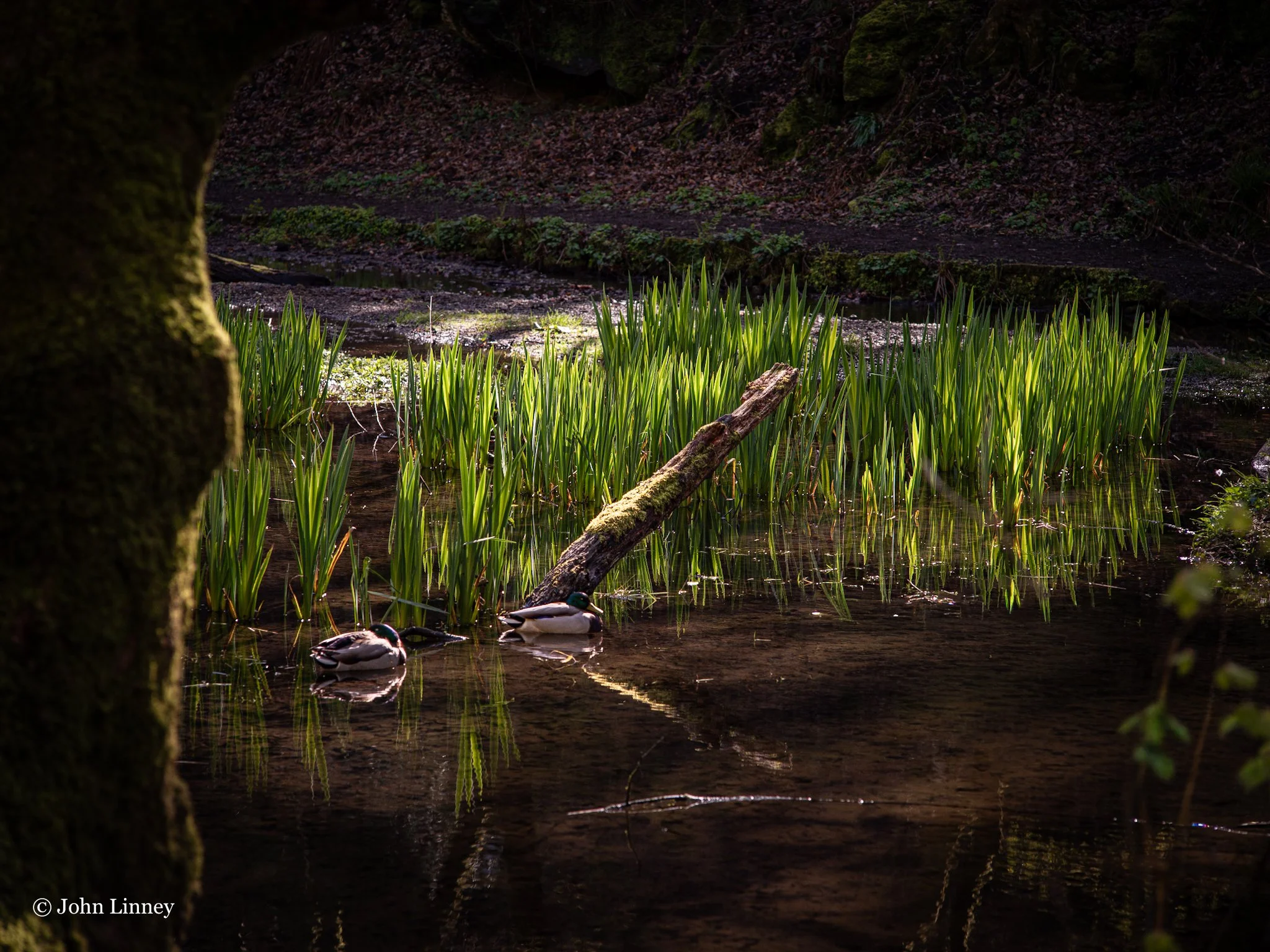
Sometimes, you need a plan.
You have to work towards a goal, build a project, be focused. I’m terrible at being focused, more like the dogs on the film Up every time they hear the word Squirrel! Easily distracted and lacking a clear objective. My wife on the other hand is very good at ideas and planning. After owning up the other week that I’m a bit at a loss as to what direction I should proceed, I happened upon a book.
It is about Artists Homes and how their homes reflect their art, feed their creativity and occasionally provide some form of respite from their work.
There’s a character in Charles Dickens Great Expectations called Wemmick. He is clerk to the barrister Mr Jaggers. Wemmick takes the main character Pip under his wing and invites him to his home for tea. Wemmicks house is an elaborate mini castle like building, which serves to act as a retreat from the work environment. He doesn’t discuss work at home and keeps the two parts of his life separate.
Anyway back to Artists Homes. It’s a beautiful book with some really good portrait and home interiors photography. I noticed however that nearly all the artists are based in the South of England.
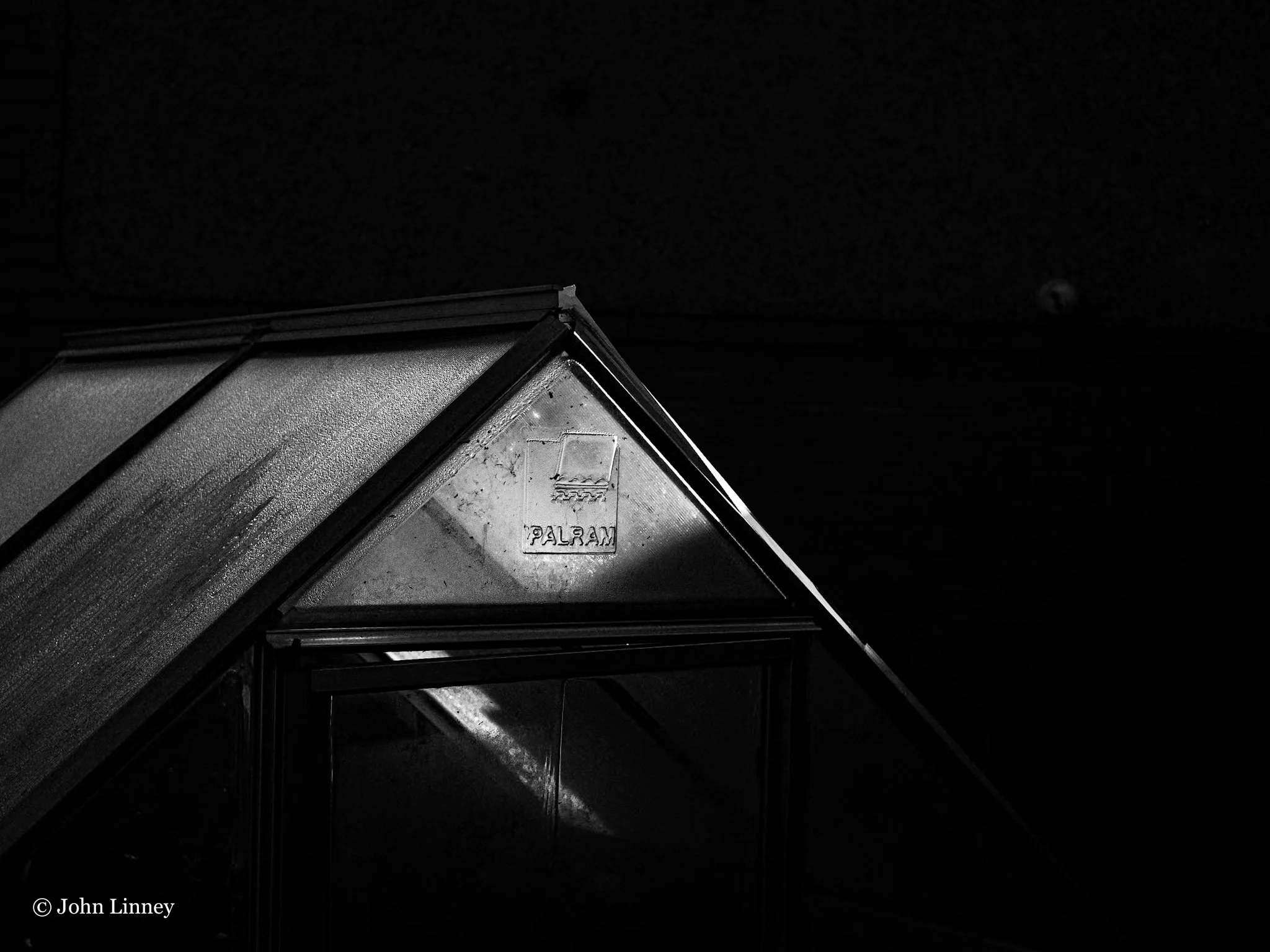
I thought about this book and whether I could do a similar one but focused on artists in my neck of the woods, namely West Yorkshire and in particular, the Calder Valley. I live next door to Hebden Bridge which has long been a Mecca for artists, writers, musicians, creatives of all sorts. My wife is an artist who has had studios in Hebden Bridge for 30 years and knows a great number of very talented and interesting creative types. I do photo shoots of artists in their studios but peoples homes are often a reflection of the person/people.
I decided to trade some camera gear in to fund a purchase almost in mind of this project. I wanted a camera that I could use old lenses on but that has brilliant resolution and a film like output. I therefore bought a medium format Fujifilm GFX 50R. It’s relatively old, slow and clunky but it can produce beautiful high resolution images, particularly portraiture.
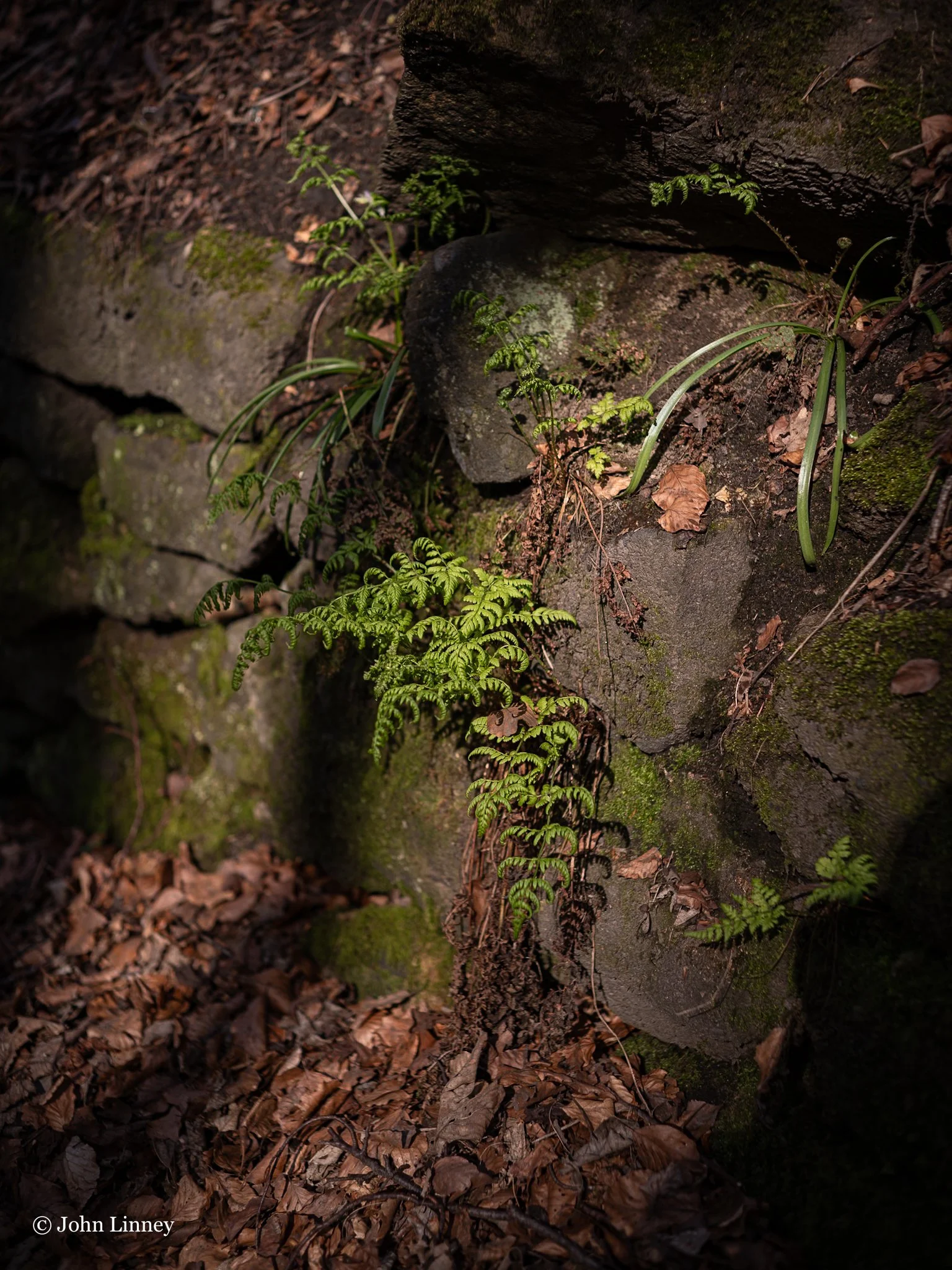
I’ve been out with it a couple of times since its arrival last week and I’ve used old Pentax film lenses, a Russian Helios and East German Carl Zeiss Jena lens and I’m hooked. The detail you can get is stunning and what you can recover in shadows is fabulous. I want to slow my photography down too. I want to practice being more considered, more intentional and less worried about numbers or speed. The GFX 50R isn’t designed for fast action or sports. It is a photography based camera and specialises in enabling you to get images with character, depth and detail. You can’t rush it so therefore, I have to take my time and in turn take less images but more purposeful ones.
I will be contacting several artists and makers to see whether they would be willing to let me into their homes and have a chat. It won’t cost them anything and I want to promote those artists but at the same time, produce a book that gives an insight into the people we buy from, admire or are inspired by their art. If they are Wemmicks, that says as much about them and their approach to their work as those that bring their style and creativity into their homes. As a photographer living with a painter/designer, you can definitely tell that we Bring our work home and weave it into the very fabric of our lives.
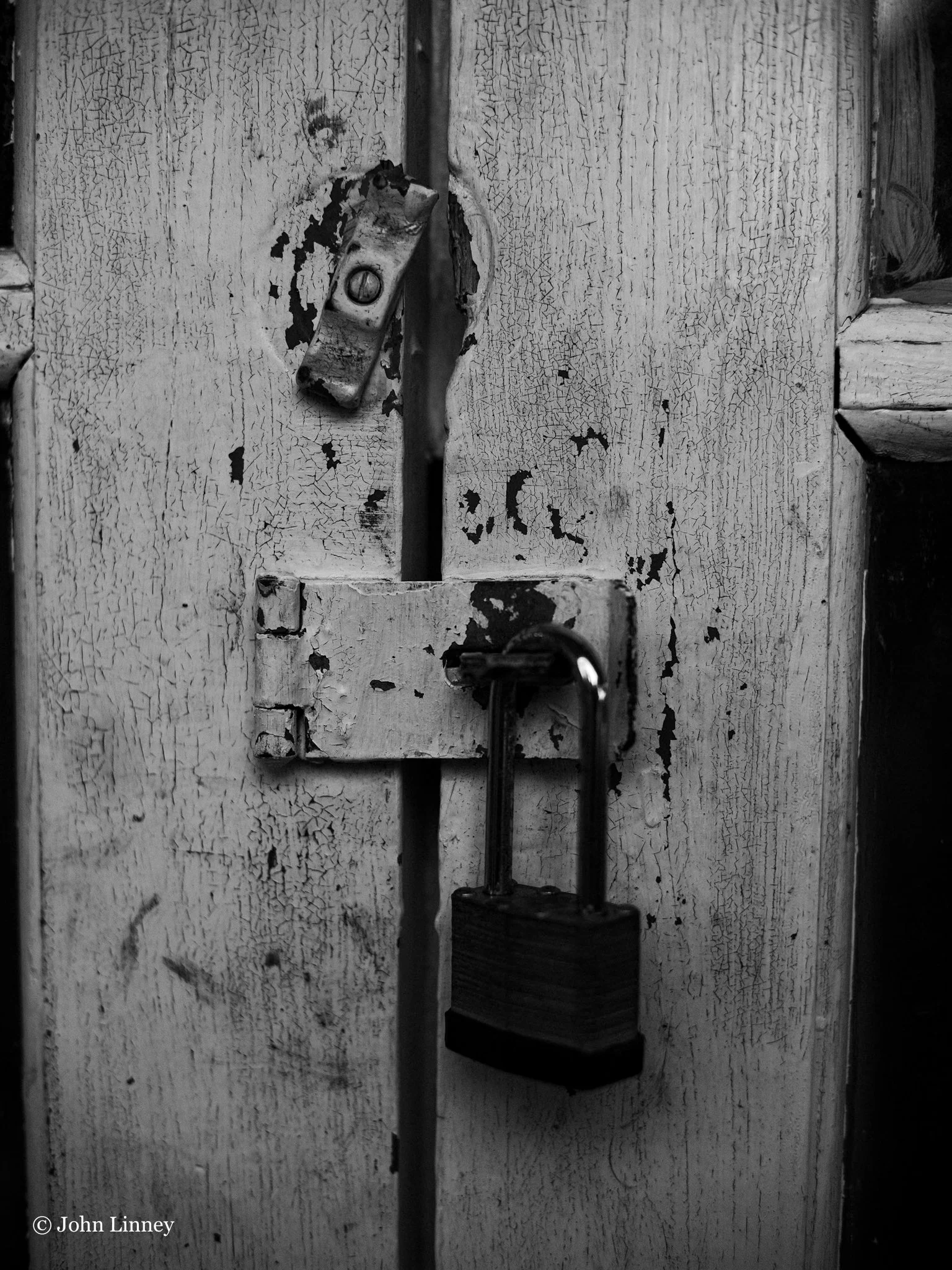
Entranced

I recently made the move to medium format. It always seemed a leap too far for me but now the system is more affordable than ever. It lends itself perfectly to older medium format manual lenses and works surprisingly well with other 35mm vintage lenses. Today, I took a familiar stroll around Halifax. I took my Fujifilm GFX 50s ii and some lenses. In the end, I shot 90% of the images on a Contax 45mm f2.8 manual lens. I was utterly blown away by the quality of the images, how easy it was to focus, and how versatile that focal length was. It also makes for a surprisingly light kit given the format.
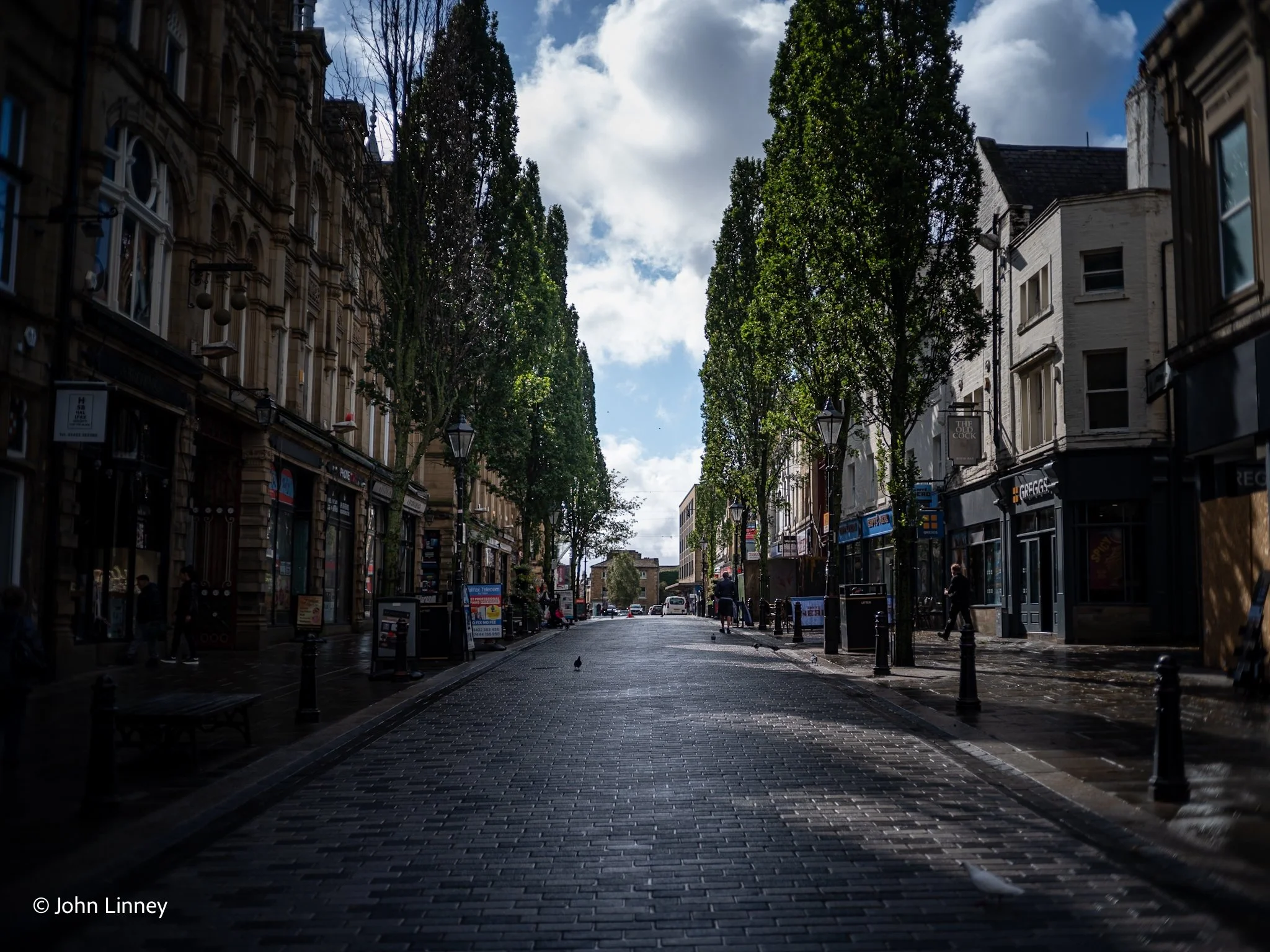
I have shot with pretty much all the major sensor formats over the years. I enjoy using full frame but equally had great results with Fujifilm APSC format cameras. There isn’t as much of a leap from crop sensor to full frame but the difference when going to medium format is stunning. The Fujifilm colours are there just like my old XT4 but the detail and resolution is astounding. I really enjoyed my shoot this morning. The format requires you to slow down and be more considered but it rewards you with images that you imagine just before you press the shutter. I have spoken before about that moment, the image you visualise and the result you achieve. So many times, the reality is less than the dream. Today however, with the GFX and a 30 year old manual lens was different. .

It is so rewarding to produce images you feel proud of and that encapsulate everything you hope for. It makes me wonder whether I should keep my Canon R system as it will be tough to go back to full frame. The medium format is entrancing. It makes you want to create serious art, proper photos, whether they be street, documentary, landscape or portrait images. I would love to do some portrait work with the GFX as I think the results could take my work to another level.

I know there are tons of photographers who create brilliant work on smaller sensor systems. I have sold prints made with 16mp Fujifilm APSC cameras and know they are good quality but the prospect of making prints from this GFX system excites me. I’m still getting used to using the format and it will be a while before I feel totally at home with it but the challenge enthuses me. The fact you can create such detailed, nuanced work is my way forward. And yes, I’m entranced.

Ishimoto Blog:
Integer posuere erat a ante venenatis dapibus posuere velit aliquet. Fusce dapibus, tellus ac cursus commodo, tortor mauris condimentum nibh, ut fermentum massa justo sit amet risus.


Quisque iaculis facilisis lacinia. Mauris euismod pellentesque tellus sit amet mollis.